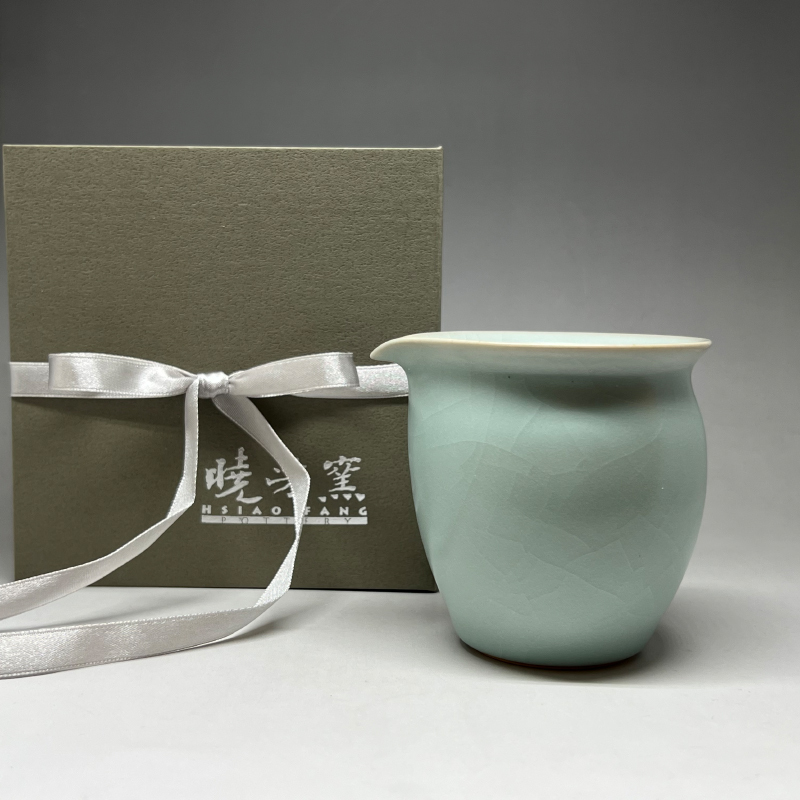
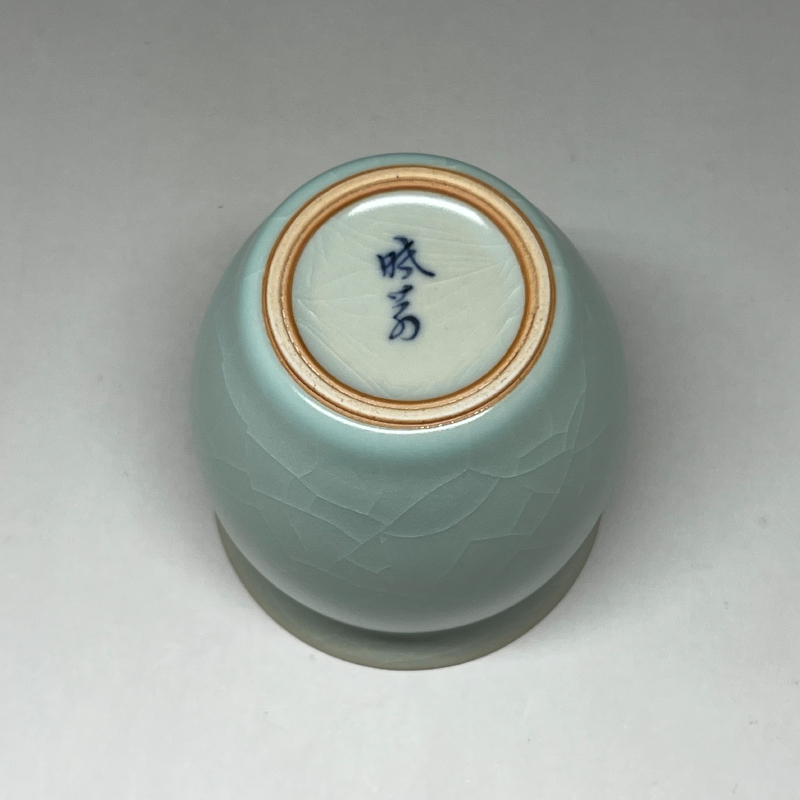
Xiaofang Kiln has a deep-rooted connection with Xie Zhizhang (founder of Qingxiangzhai), a renowned Taiwanese tea master. Their collaboration greatly promoted the development of modern Taiwanese tea ceremony aesthetics, especially the evolution of the "tea cup" (fairness cup/tea serving vessel).
1. Joint Evolution of Tea Cup Design
Demand and Improvement: Xie Zhizhang was an important early user and promoter of Xiaofang Kiln. Early tea ceremonies mostly used tea cups with handles, but Xie Zhizhang, for aesthetic and tactile reasons, suggested improvements to Master Cai Xiaofang, such as designing a handle-less (hand-held) form.
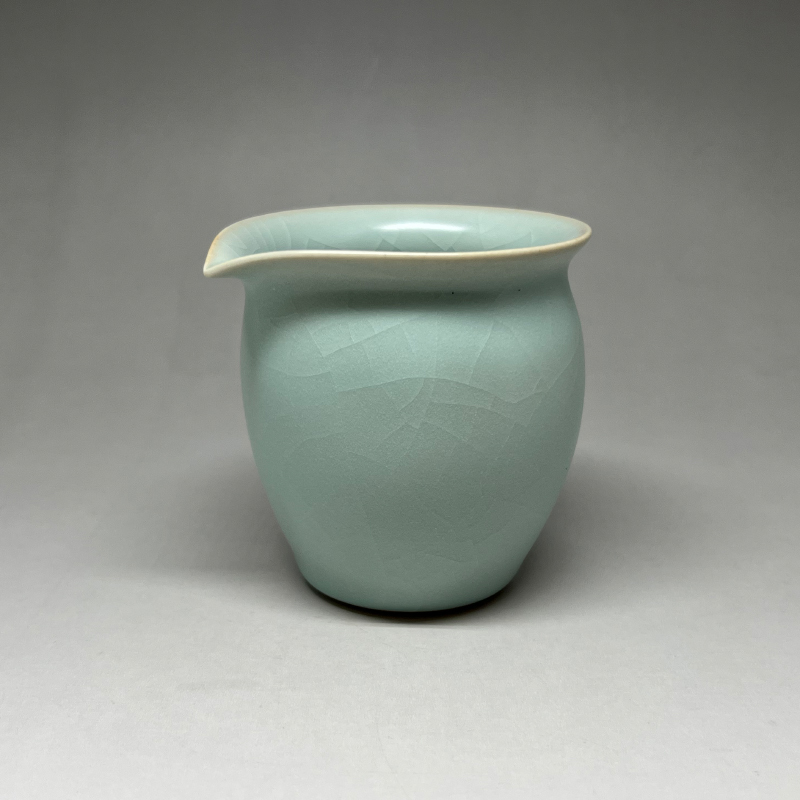
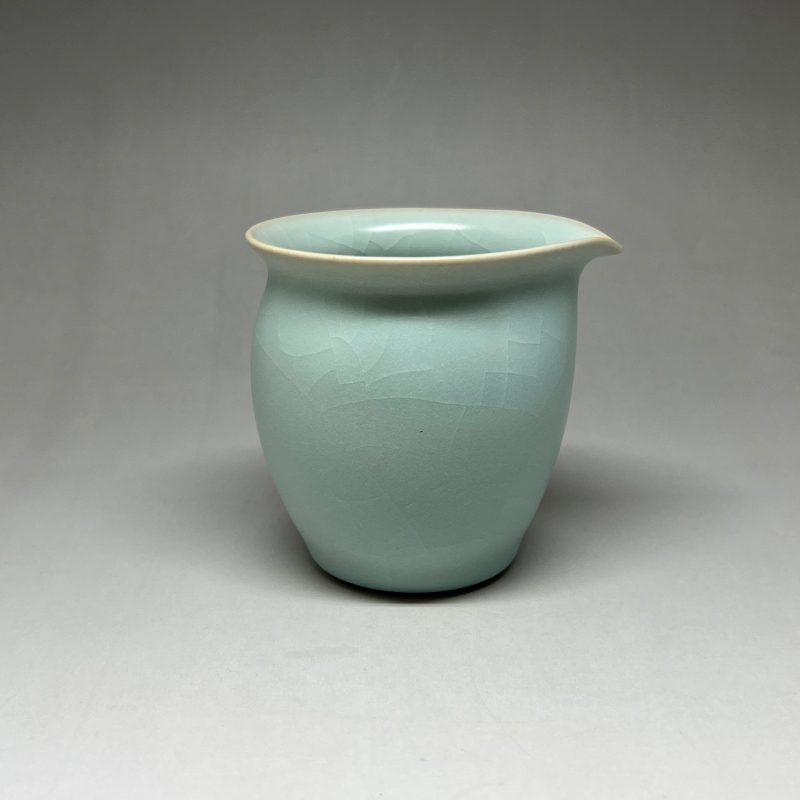
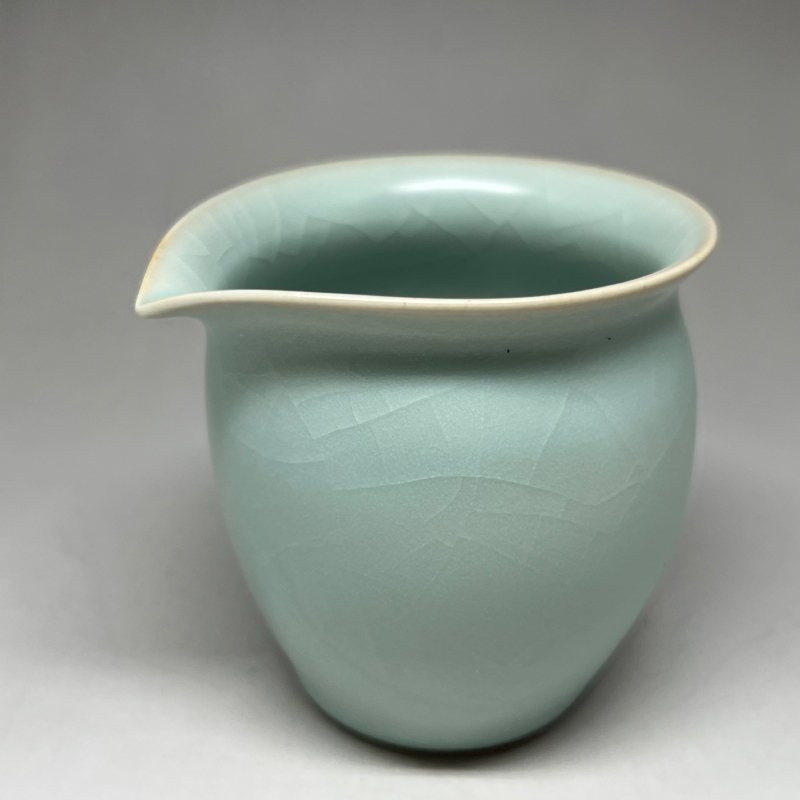
Based on Xie Zhizhang's suggestions and feedback, Cai Xiaofang developed the classic Xiaofang Kiln tea cup series we see today. Among them, the first tea cup features a Ru ware glaze and a simple shape.
2. Practice of Tea Ceremony Aesthetics
Color and Seasonal Sensibility: Xie Zhizhang extensively utilized Xiaofang Kiln's works in establishing his "flowing fragrance" tea ceremony aesthetic. She had requested that Teacher Cai create various teaware in different glazes (such as milky white, pale blue, and ivory white) to complement tea ceremony arrangements for different seasons.
Using Xiaofang Kiln teaware was not only for its visual appeal, but also because its designs and glaze textures enhanced the overall tea-drinking experience.
This cross-disciplinary collaboration between "tea connoisseur" and "ceramic artist" has resulted in Xiaofang Kiln teaware possessing not only official kiln-level craftsmanship but also exceptional practicality and a refined cultural atmosphere.
Classic Glaze: The most distinctive feature of this fairness cup is its Ru ware sky-blue or pale celadon glaze. The glaze is milky and thick, presenting a refined and understated beauty, reminiscent of "the sky after rain, where the clouds break."
Natural Crackle: The glaze surface is typically accompanied by fine crackle patterns, commonly known as "ice crackle." With prolonged use and brewing of tea, the tea liquor gradually seeps into the cracks, forming unique "golden thread and iron wire" textures, enhancing its aesthetic value.